HOME - Healthcare Digital Marketing : SEO, Google Ads, and Meta Keep Changing the Rules
![Star]() Healthcare Digital Marketing : SEO, Google Ads, and Meta Keep Changing the Rules
Healthcare Digital Marketing : SEO, Google Ads, and Meta Keep Changing the Rules![Star]()
 Healthcare Digital Marketing : SEO, Google Ads, and Meta Keep Changing the Rules
If you’ve worked in another industry before moving into healthcare, the first thing you’ll notice is how little freedom you actually have. Google and Meta have both made it harder for healthcare brands to rank, target, track, and even phrase their content, and getting healthcare digital marketing wrong doesn’t just mean a rejected ad or a dropped ranking. It can mean a suspended account, or worse, a compliance complaint. Here’s a breakdown of what’s actually shaping healthcare digital marketing right now, written from the side of someone who runs these campaigns week to week.
In this article
- Why Healthcare Digital Marketing Plays by Different Rules
- SEO for Healthcare Needs a Compliance Lens
- Google Ads Restrictions for Healthcare Marketers
- Meta’s Data-Sharing Restrictions
- Why Privacy Policies Need Extra Care
- FAQs
- Conclusion
1. Why Healthcare Digital Marketing Plays by Different Rules
In most industries, you’re free to target broadly, rank however you can, and track nearly everything a user does. Not in healthcare digital marketing. The data involved here, symptoms, conditions, procedures, is treated as sensitive by both the platforms and regulators like HIPAA. That single fact changes what you’re allowed to say in your content, who you’re allowed to target, what data you’re allowed to collect afterward, and how you need to structure your whole approach from day one.
2. SEO for Healthcare Needs a Compliance Lens
A lot of marketers miss this when they move into healthcare digital marketing: ranking well here isn’t just a keyword exercise. Google applies extra scrutiny to medical content through its YMYL standards (Your Money or Your Life), which means accuracy, author credibility, and real sourcing matter more here than in most niches. This is also where search intent becomes critical, patients searching medical terms are usually looking for trustworthy, actionable information, not a sales pitch, and Google’s ranking systems are built to reward exactly that.
Write a health claim without backing it up, or publish something that reads like generic AI-written medical advice, and don’t be surprised when it gets filtered out of rankings.
What actually works: credit a medical reviewer when you can, cite your sources for any statistic or claim, and avoid symptom-diagnosis language that could be mistaken for real medical advice. These are the same E-E-A-T signals, Experience, Expertise, Authoritativeness, Trustworthiness, Google has leaned on for YMYL content for years, and healthcare digital marketing lives or dies by them.

3. Google Ads Restrictions for Healthcare Marketers
Google runs a Personalized Health Content policy that limits how specific your targeting can get around health conditions. You can’t remarket to someone because they searched for a particular diagnosis or treatment, Google treats that as inferring sensitive health information and shuts it down regardless of intent.
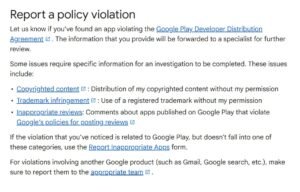
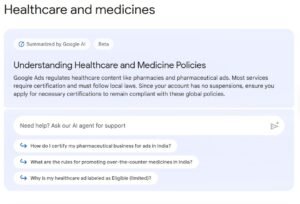
Certain categories, prescription drugs, specific procedures, mental health services, need extra certification before an ad can even go live. Claims get flagged fast too: anything implying a guaranteed outcome, “cures,” “guaranteed results,” is one of the most common rejection reasons in healthcare digital marketing campaigns. The fix is straightforward: keep targeting broad, location and general interest rather than condition-based, and keep copy factual instead of promissory.
4. Meta’s Data-Sharing Restrictions
Meta’s restrictions picked up after reports surfaced that hospital websites were sending appointment and condition data straight to Meta through the Pixel, and some health systems ended up in lawsuits over it. Meta responded by limiting what the Pixel can capture on healthcare pages and filtering out anything resembling health information before it reaches an ad account.

In practice, this means auditing your own Pixel and Conversions API setup isn’t optional in healthcare digital marketing anymore. If your booking pages pass data like appointment type or condition category through event parameters, that’s not just a Meta policy issue, it’s a genuine patient privacy problem.
5. Why Privacy Policies Need Extra Care
A copy-pasted privacy policy template won’t hold up here. It needs to clearly state which tracking tools are in use, Pixel, Google Ads tags, any CRM integration, what each one can and can’t capture, and how patient data stays separate from marketing data. This isn’t just box-ticking. In healthcare digital marketing, it’s what protects you the day a platform or regulator decides to audit your setup.

FAQs
What makes healthcare digital marketing different from other industries?
Platforms and regulators like HIPAA treat health data as sensitive by default, which restricts how you can target, track, and word content compared to most other industries.
Does Google treat healthcare content differently in organic search?
Yes. Medical content falls under YMYL standards, so accuracy, authorship, and sourcing carry far more weight in healthcare digital marketing than in most other content categories.
Can I run remarketing ads for a healthcare business?
Yes, but keep it broad, general site visitors rather than anyone segmented by condition or treatment type, since both Google and Meta restrict that kind of targeting.
Why did my healthcare ad get rejected with no clear reason?
Usually it’s claims language, words like “cures” or “guaranteed,” or a missing certification for a restricted category like prescription drugs or mental health services.
Conclusion
Strip away the platform-specific details and healthcare digital marketing comes down to one principle: every platform treats health data as sensitive by default. Your content, targeting, ad copy, tracking setup, and privacy policy all need to be built around that assumption from the start, not retrofitted after a penalty, a rejection, or a complaint.
Written by a digital marketer who manages Google Ads and Meta campaigns for a healthcare clinic, handling the exact compliance checks covered in this guide on a weekly basis.